About Klario
We started this because we kept seeing the same thing.
A hesitation at the top of the stairs. Going out less. A daily routine that has quietly started taking twice as long. A family senses these long before anyone can name them, but the healthcare system isn’t built to notice.
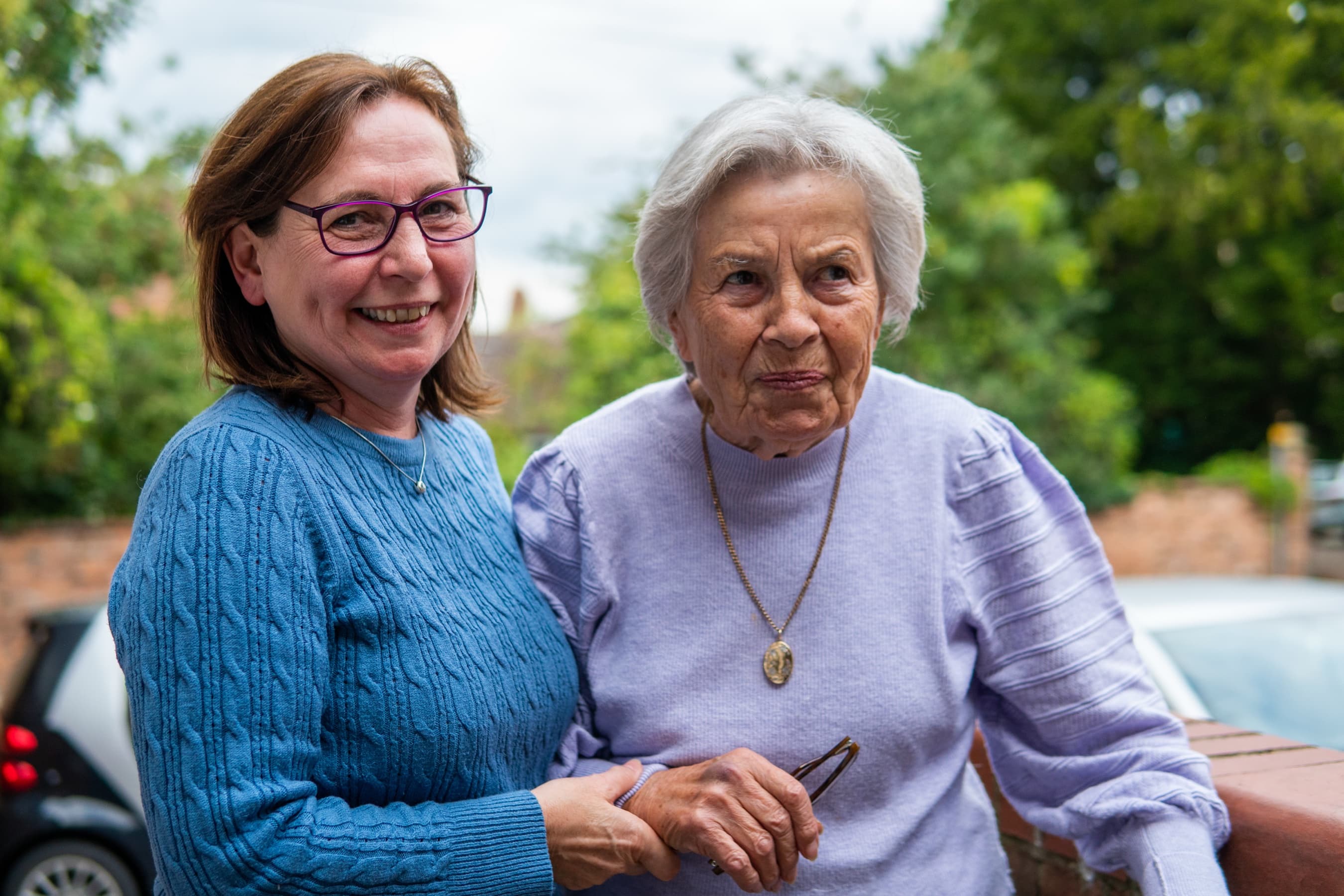
It almost always went the same way.
It isn’t a problem of care. It’s a problem of distance.
The people close enough to see it were too close to measure it. The people who could measure it were not in the room. So nobody could say which parts would get better and which would not.
So it waited for a crisis.
By the time anything was done it was usually after a fall, a hospital stay, or something that might have been avoided altogether. The work afterwards is harder, slower, and independence is rarely fully recovered.
This exists so you don't have to wait for that moment.
What we are for.
An early, independent, expert view, so families can make better decisions sooner.
Early, because this goes wrong slowly and quietly first. Independent, because what a family needs is somebody whose only job is to tell them what they see.
Two questions, usually asked separately.
Can they still move, and can they still manage? Physiotherapy answers the first, occupational therapy the second. In the NHS they are done together, because either answer is close to useless without the other. In private care they are sold apart, and the family is left guessing which one to buy.
You don't have to guess. That is our job, and we send the right person.
Where we learned this.
NHS emergency care, integrated independence teams, and complex neurological rehabilitation. We spent years going into homes at the exact moment an older person stopped managing. We brought the best of that frontline expertise with us — and left the waiting lists behind.
Start with a conversation.
Tell us what has changed, and we will tell you honestly whether a visit would help.